10 Things to Do in Cordoba at Holy Week
Holy Week in Córdoba is characterised by being just as unique as the other religious celebrations that take place in other parts of Andalusia at this time of year. For this reason, I invite you to continue reading about the activities you could enjoy.

Cordoba | ©Jocelyn Erskine-Kellie
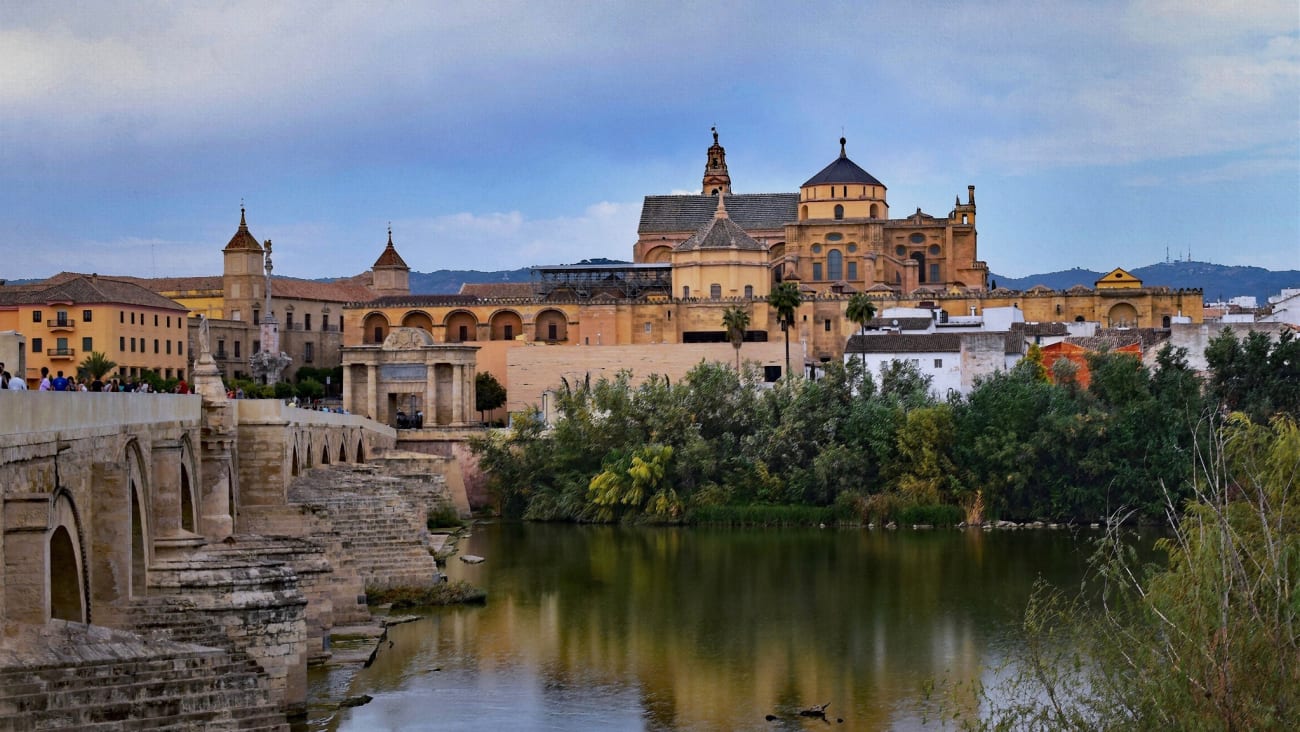
Córdoba is a very important city in southern Spain, both for its impressive historical past and for the preservation of its architectural and cultural heritage. In fact, many of the best things to see and do in Córdoba involve exploring its main attractions, as well as some of its traditions.
So, in this post, I will briefly explain the options available to you during a visit to this part of Andalusia during Holy Week. This will help you understand the type of trip you could enjoy and allow you to plan your time and money in the most appropriate way.
1. Start enjoying the processions on Holy Wednesday

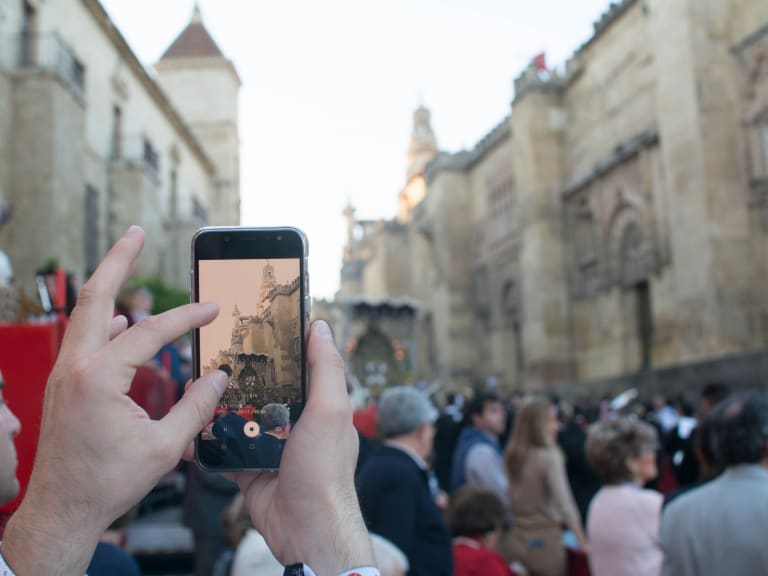
One of the first things you should enjoy during your stay in the city of Córdoba during Holy Week are the processions organised by the different Catholic brotherhoods and confraternities to commemorate the Passion of Christ from his arrival in Jerusalem to his resurrection on the following Sunday. The number of people participating in these religious marches is not as significant as in other cities, but at the same time, the importance of traditions for the people of Cordoba is just as special.
Most of the processions begin on Holy Wednesday and basically consist of the typical urban routes through the streets of the historic centre to commemorate specific moments in the Passion of Christ, such as the Last Supper or the agony of his death. In the case of Cordoba, you should know that these processions are characterised by an overwhelming silence that demonstrates the respect felt in this city for these religious traditions.
In any case, these processions will not take up all of your time, so it would be advisable to take advantage of some of the best guided tours of Córdoba. Especially because, with the help of a specialist, you will learn important details about the history of Holy Week traditions and their connection to some of the city's buildings and monuments.
2. Don't miss the cultural exhibitions

The cultural offerings during Holy Week are among the most diverse of the entire year, due to the fact that the city becomes a major tourist destination because of its religious traditions. One of the most important exhibitions during this spring season is the Córdoba Photography Biennial, which usually takes place in different corners of the city with exhibitions by local and foreign photographers.
The Córdoba Museum of Fine Arts and the Municipal Bullfighting Museum also tend to have special opening hours, allowing more people to enjoy their permanent exhibitions. Added to these are the Andalusian Centre for Contemporary Creation and the Julio Romero de Torres Museum.
If you wish to visit these cultural institutions, I recommend purchasing a combined ticket that allows you to pay a single fee to enter different museums in the city. You should also know that Córdoba's tourist buses are a good alternative for getting around the city and reaching the different neighbourhoods where these museums are located without any inconvenience.
3. Discover the tradition of the patios on Holy Thursday
Andalusian patios are another of the most interesting features of the city's urban landscape. These are spaces belonging to the most traditional houses, which are usually painted white and filled with plants that create a veritable oasis in the midst of Cordoba's arid climate. Given their importance, a couple of years ago the city council took the initiative to revive a Holy Week custom that dates back to the 19th century.
This consists of people in Cordoba being able to visit some Cordoba courtyards belonging to private residences or government institutions free of charge during the early hours of Maundy Thursday. This is inspired by the tradition of friends and family visiting other people's homes to commemorate the death and resurrection of Jesus Christ together at an altar.
Similarly, if your visit during Holy Week does not coincide with the early hours of Maundy Thursday, you should also know that the courtyards of Córdoba are one of those attractions that you cannot miss on a three-day trip to Córdoba during most of the year. In fact, these corners of the city are one of the main attractions of another tourist fair with spring themes that takes place in mid-May.
4. Try the cuisine of Holy Week in Cordoba

In Cordoba, there are also culinary customs specific to Holy Week , as in many other places in Spain. This has to do with the fact that from Ash Wednesday to Holy Thursday, many people decide to join in the custom of not eating meat during Lent.
One of the most characteristic dishes is usually snails. This is because the appearance of these animals with the arrival of spring has led to the creation of different and unusual recipes over the years. Just like the snails that are included in Valencian paella. The most traditional sweets, such as gajorros and cuajo, are other highlights when it comes to Cordoba's culinary inventions for Holy Week.
In any case, exploring Lenten dishes is something that can be complemented in different ways, and my recommendation is to do so during dinner. That way, you can continue the evening by participating in some of the best things to do in Cordoba at night, which is even more recommendable when you consider that this is one of the best times of the year to go out for drinks in the city.
5. Take advantage of the opportunity to visit the historic centre of Córdoba

Visiting the city of Córdoba at any time of the year and not taking the opportunity to take a good tour of its historic centre is a very bad decision. This city has the largest number of UNESCO World Heritage Sites on the planet. In addition to these official titles, there are also many other historical wonders that are well worth visiting for tourists coming to the city.
So, taking a guided tour is a great way to familiarise yourself with the city's most important sites. These include the Roman Bridge of Córdoba, the El Arenal Fairgrounds, the Synagogue of Córdoba and the Los Califas Bullring. Neighbourhoods such as La Judería and La Magdalena are other areas not to be missed, as well as other attractions such as the Plaza de la Corredera and the Roman Temple.
The best thing about these guided tours is that they are usually reserved for relatively small groups of people, which guarantees that all your questions will be answered by the history specialist who accompanies you throughout the tour. Any time of day is good for this type of tour, although during Holy Week it is preferable to opt for a tour that takes place at dusk. This is mainly due to the large number of tourists that characterise this period.
6. Don't hesitate to visit the Mosque-Cathedral
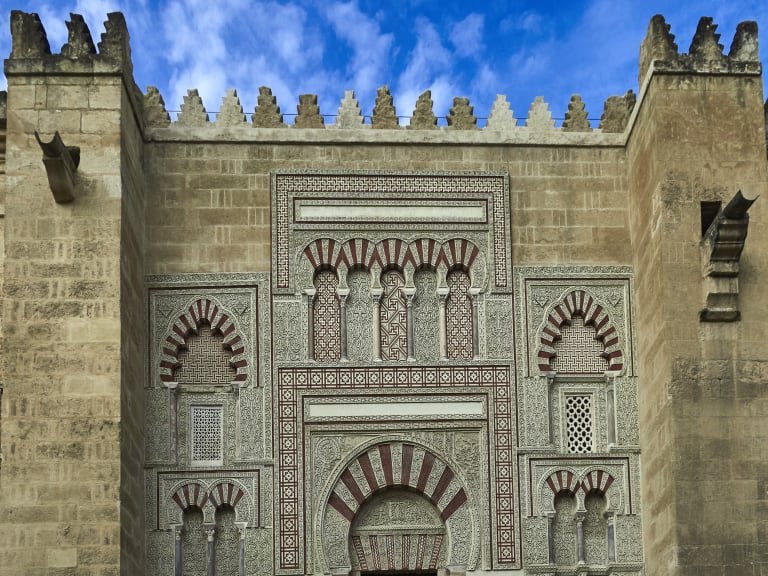
Córdoba's main historical tourist attraction is a site that is not only unique for its architecture but also for the different changes it has undergone throughout its existence. This is the city's Mosque-Cathedral, which was originally built as a mosque in the 8th century. After several extensions, it became the second largest mosque on the planet after Mecca, but in the 13th century, during the Christian conquest, it was consecrated as a cathedral.
After that, in the 16th century, a Renaissance basilica was finally built within the existing structure that remained of the mosque. Today, it is a UNESCO World Heritage Site and is considered one of the greatest architectural treasures of Andalusia as well as Spanish historical heritage.
For these reasons, this is a place you cannot miss during your visit to Córdoba during Holy Week. Especially when you consider that there is a strong connection to the religious history of this place. In fact, a large part of the Catholic processions during Holy Week usually include some parts of the Mosque-Cathedral in their route. Especially the Patio de los Naranjos, which is the garden of the complex.
My recommendation is that you opt for a guided tour with tickets to the Mosque of Córdoba, as this way you will not miss any important details about the past and present of this Cordoban treasure.
7. You should also visit Almodóvar Castle

Córdoba's architectural heritage is not limited to the city centre. Many of the villages in the surrounding area that form part of the province of Córdoba also have sites worth visiting, one of which is Almodóvar Castle. Visiting Almodóvar Castle is a good option for those who want to escape the large crowds during Holy Week in Córdoba.
This building is also known as the Castle of La Floresta and is distinguished by its location on a hill locally known as El Redondo. It is basically a fortress with several structural stages that once belonged to the Roman Empire. Today, after several modifications, it is a building with Berber origins dating back to 760.
The site is characterised by its compliance with all the standards of medieval architecture and, at the same time, it played a decisive role in many of the Catholic Church's strategies during the Castilian expansion into Andalusia. This place is approximately 48 minutes from the Córdoba bus station. Therefore, it can be the perfect getaway if you are looking for plans that allow you to learn a little more about this part of the autonomous community of Andalusia.
8. Spend the afternoon in the city's botanical garden

Right next to the Córdoba Zoo is the city's botanical garden. This space has areas that are suitable for spending an entire afternoon walking and enjoying nature in the heart of the city. Inside, you will also find the Córdoba Ethnobotanical Museum, and these places, together with the zoo, can be perfect entertainment alternatives if you are looking for things to see and do in Córdoba with children.
The fact is that Holy Week has to be an interesting holiday for the whole family. Therefore, I advise you to balance exploring the city's great architectural and historical treasures with other plans that will entertain your children, so that everyone on the trip will enjoy the experience of getting to know one of the most beautiful cities in Andalusia.
9. Try to see the most impressive carvings
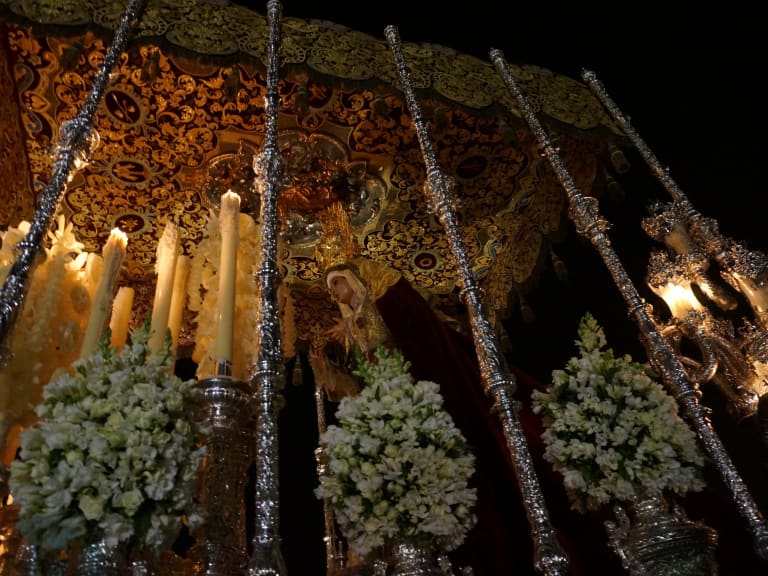
Another important aspect of the Holy Week processions are the religious images that the brotherhoods and sisterhoods take out of their temples to parade through the streets. The importance of these elements has to do with their beauty. They are true works of art, some of which belong to the list of creations by the best masters in the history of Spanish religious sculpture.
As for the images most venerated by the people of Cordoba, you should know that the Resurrected Christ is well worth seeing and can be found in the parish church of Nuestra Señora de Gracia. On the other hand, the carving of the Cristo del Remedio de Ánimas, which leaves the church of San Lorenzo, is another of the city's most representative processions. In fact, the image of this Jesus Christ is so beautiful from an artistic point of view that it is considered one of the city's greatest historical treasures.
10. Touring the Sierras of Córdoba is a good idea

The Sierras Subbéticas Natural Park is located in the province of Córdoba . This is a place that offers some of the best hiking trails in the entire Andalusian region. Therefore, it can be an ideal place to enjoy nature during Holy Week. At least if this is the type of plan that interests you for your visit to the city of Córdoba.
My recommendation for visiting this place is to hire a private car and explore the area at your own pace and in comfort. Although, if you want a getaway where you don't have to worry about any logistics, then you can enjoy the excursions to Medina Azahara from Córdoba.
Especially because these ruins also offer you the opportunity to enjoy the natural landscape that characterises this part of Andalusia. Another recommendation I can make is to try to take these excursions at the beginning of Holy Week, as at the end of the week there will be greater demand due to an increase in tourist traffic.