Best (and Worst) European Travel Destinations for Hay Fever Sufferers
In the United States, seasonal allergies, also known as hay fever, affect 25% of the population every year. That's no less than 80 million people annually!

Pollen | Unsplash
With summer just around the corner, symptoms are on the rise and travelling to new places can be very difficult if you have allergies. But of course, we all like to explore new places, don't we?
If you know what type of pollen makes you sneeze, it's a good idea to plan ahead and avoid certain destinations at certain times of the year, so that your allergies don't spoil your trip. Here are some tips on the best times to pack your bags and explore Europe:
- If you don't get on well with tree pollen, travelling in spring is out of the question. Your best option is to plan your holidays from July to January.
- If, on the other hand, grass pollen is your worst nightmare, it's best to avoid the early days of summer.
- And if ragweed is your kryptonite, forget about early autumn getaways.
We've also compiled a guide to this year's most anticipated destinations (based on Google searches in the US) to tell you where and when you can travel without worrying about hay fever.

It's no surprise that summer is the favourite season for exploring Europe. Below is a list of places you might want to enjoy or avoid, depending on the type of allergy that makes your life miserable (tree, grass and weed pollen, respectively).

Allergies and the weather go hand in hand, as the cold, rainy months are usually a respite for pollen allergy sufferers. That's why we're telling you which destinations are most recommended and which ones you should avoid in spring, autumn and winter.
Analysis of the best cities for pollen allergy sufferers
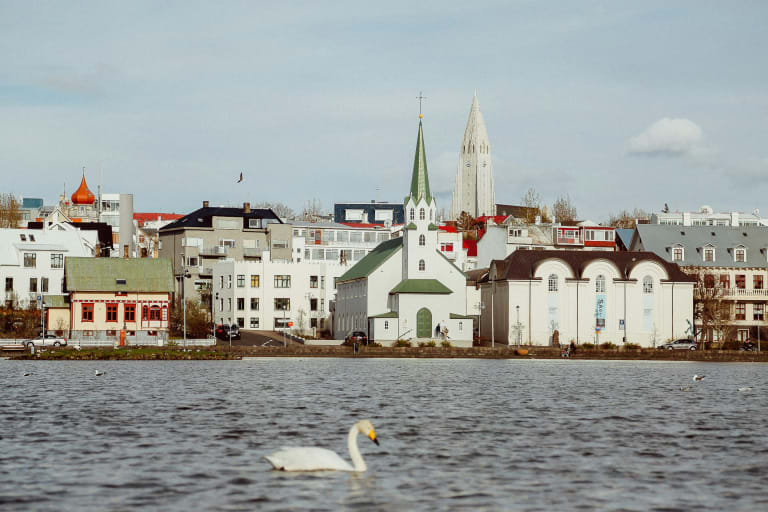
Reykjavik, Iceland
Fancy a cool summer with volcanoes in sight and trails to explore? Then Reykjavik is the perfect choice for you. If tree or grass pollen gives you trouble, May and June are the best months to enjoy this city without sneezing. And if you're into adventure, Iceland in summer is a spectacular sight: in June, you'll enjoy the midnight sun, when the day stretches on until it merges with the night in an endless sunset.
And if you have allergies to weeds, then August is the ideal time to visit Reykjavík.
Lisbon, Portugal
If you prefer big cities, visiting Lisbon in July and August is the best option. Although the Portuguese summer can be stifling for some, the coolness of the Lisbon coast and its beaches make up for it, offering the best of several worlds. In addition, Lisbon dresses up for parties with musical events and festivals during these months.
Of course, if grasses are your worst enemy, avoid Lisbon in May and June.

Dublin, Ireland
If you're looking to organise a trip to a destination with a cooler climate, you'll love Dublin. It's perfect if you're affected by grasses or ragweed, as they are less prevalent in summer. And don't forget, Dublin is famous for its beer and whiskey. Don't miss out on tours of iconic places such as the Guinness factory and various whiskey distilleries!

Madrid, Spain
Madrid is a paradise for those fleeing weed pollen. Madrid has it all: from cultural attractions such as the Prado Museum and vibrant musicals to exciting sporting events, especially football.
But be careful if you are affected by grass or olive pollen and make sure to stay away from places such as El Retiro Park from May to July.

Edinburgh, Scotland, United Kingdom
Attention, Harry Potter fans! Edinburgh beckons with its unique charm and corners that look like they came straight out of Hogwarts. Although it's not on the list of the best cities for people with tree pollen allergies, don't worry, it's still a very good option. But if grasses are your problem, you might want to reconsider visiting this city in early summer, when pollen is at its peak.

Climate, location and pollution
Although coastal cities tend to have less pollen, especially due to humidity, factors such as inland winds, pollution and other weather conditions can counteract the benefits.
Choosing a rainy destination to alleviate your symptoms could make them worse. Humidity and moderate rainfall initially reduce allergy symptoms, but heavy rainfall can increase pollen concentration.
Pollution, especially ozone, also has a negative impact on allergies. Air pollutants can alter the composition of pollen, increasing the potency of pollen allergens and causing stronger allergic reactions. In addition, several studies show that plants growing in polluted areas release much more pollen for longer periods of time.
In theory, Barcelona should be a city with a low incidence of pollen allergies, but its proximity to a mountain range, high inland wind activity during spring—which brings more pollen to the city—dryness, and high pollution make it a nightmare for those who suffer from tree pollen allergies in spring.
The weather and wind are unpredictable when planning holidays in advance, but avoiding cities with high pollution levels during the peak of your pollen allergy will help a lot.
Where does this data come from?
For this article, we compiled data from Google Travel Insights to identify the most popular European destinations among American travellers. We also consulted a dataset from the Copernicus Atmosphere Monitoring Service, which collects pollen data from 35 European cities from May 2023 to April 2024, with 48-hour accuracy at ground level. To make it easier to understand, we calculated the monthly average and categorised the results according to pollen type (trees, grasses or weeds), highlighting the best and worst cities to visit on the European continent based on the average amount of pollen per cubic metre of air.